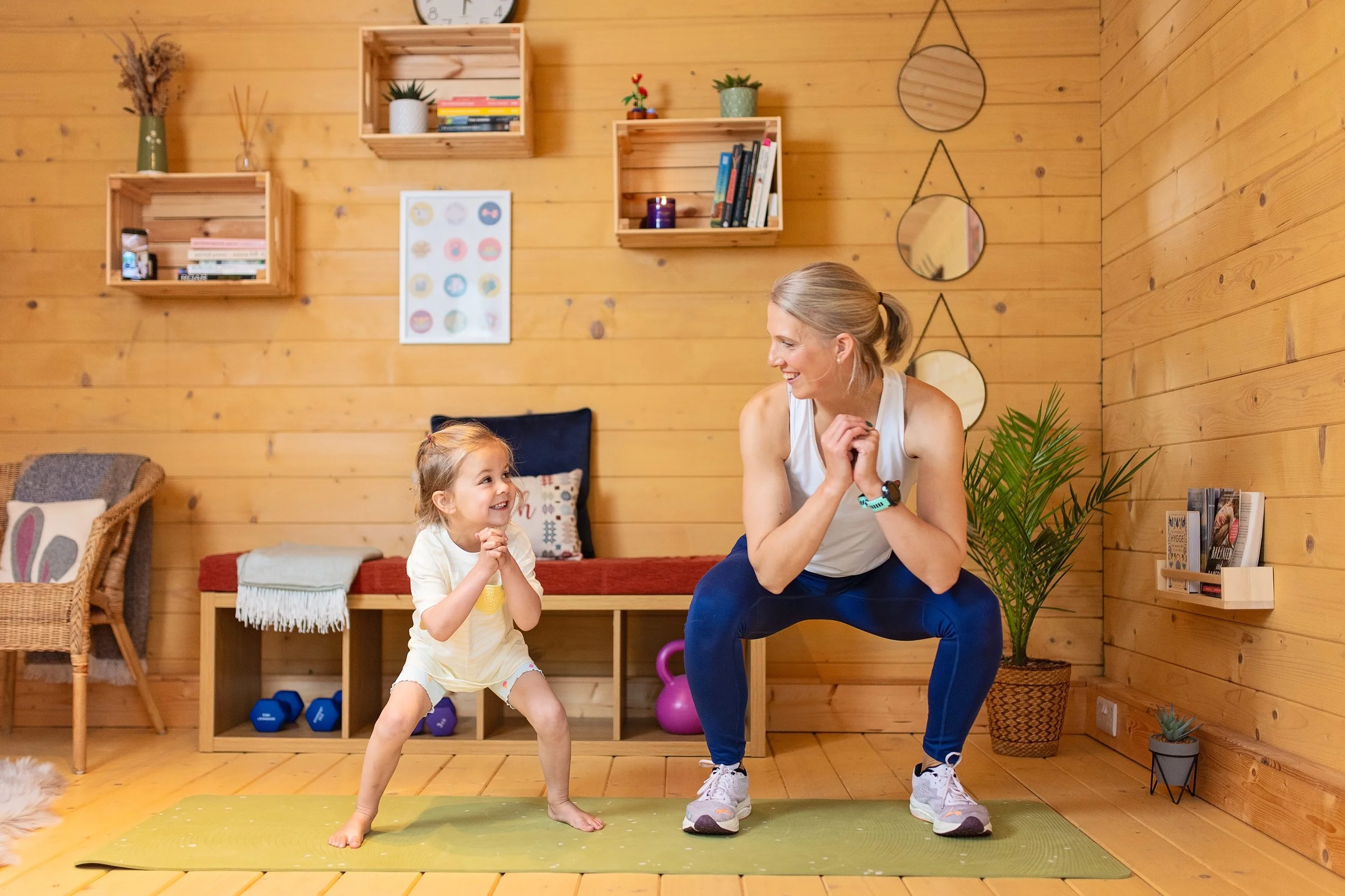
Bringing a new life into the world is one of the most incredible things your body can do. But once your baby is here and life begins to settle into a new rhythm, many new mums start to wonder:
“When can I exercise again after giving birth?”
The truth is, every postpartum recovery is different. There’s no one-size-fits-all postpartum exercise plan—and that’s okay. Your body has done something extraordinary—it deserves patience, kindness, and support as it heals. Below, we’ve put together some gentle postnatal fitness guidelines to help you return to movement in a way that feels safe and empowering.
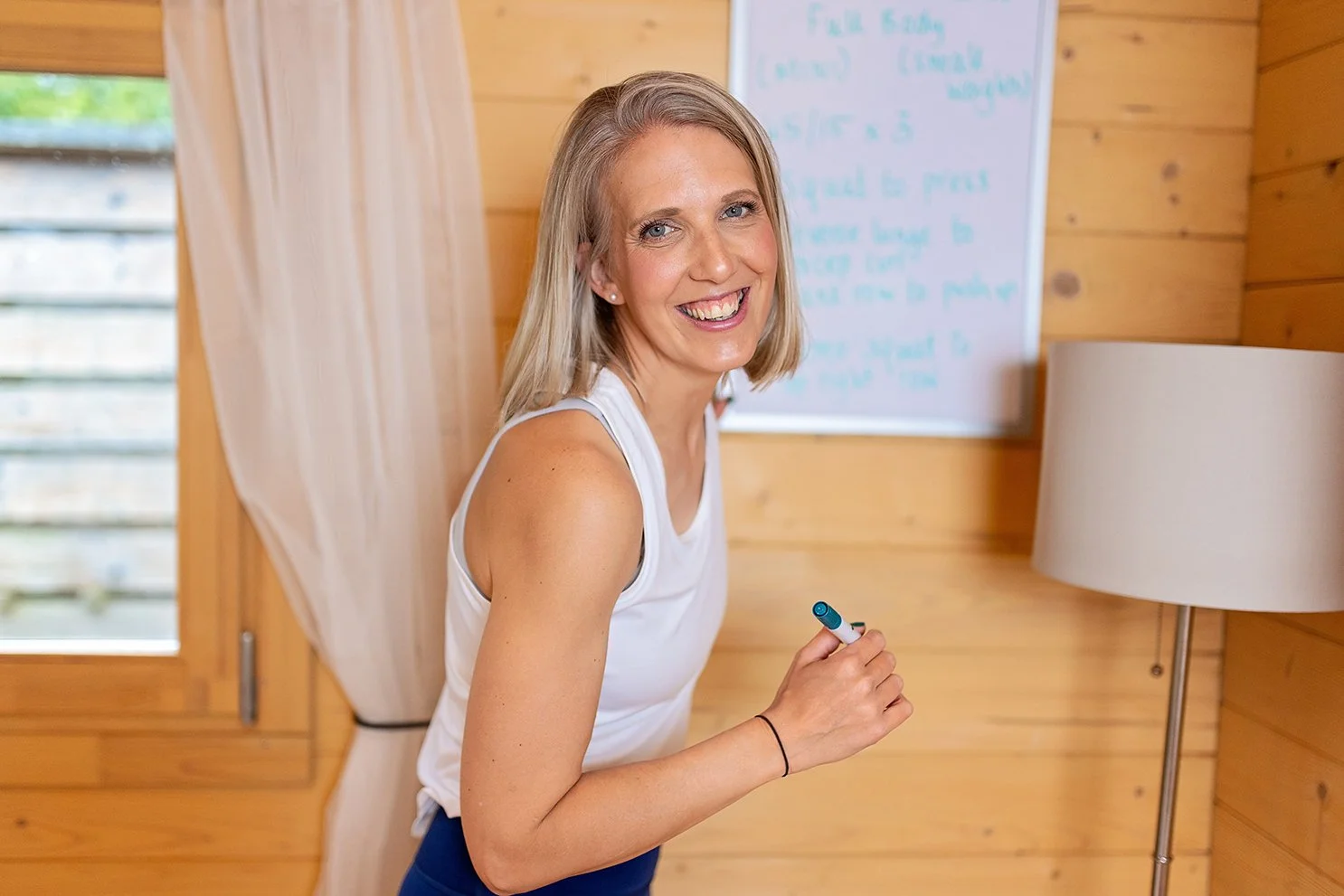
Hi, I am Jess, a qualified pre and post natal fitness trainer.
I passionate about helping mums to exercise safely and confidently during both pregnancy, the post natal period and beyond.
0–4 Weeks Postpartum: Rest, Recover, and Reconnect
This is your time to focus on postpartum recovery. Forget the pressure to "bounce back"—your only job right now is to heal and care for your baby (and yourself).
Gentle postpartum activities like walking after birth, stretching, and pelvic floor exercises are a great starting point—even if you had a c-section.
Think slow and soothing. This isn’t the time to “work out”—it’s time to rebuild your core and pelvic floor.
Nourish your body with healthy meals and hydration, but don’t forget to treat yourself. Yes, that means tea and cake are still on the menu!
6 Weeks Postpartum: Easing Back into Exercise
By now, you might feel ready to reintroduce light exercise postpartum, depending on how your body is feeling and whether you’ve had your 6-week postnatal check-up.
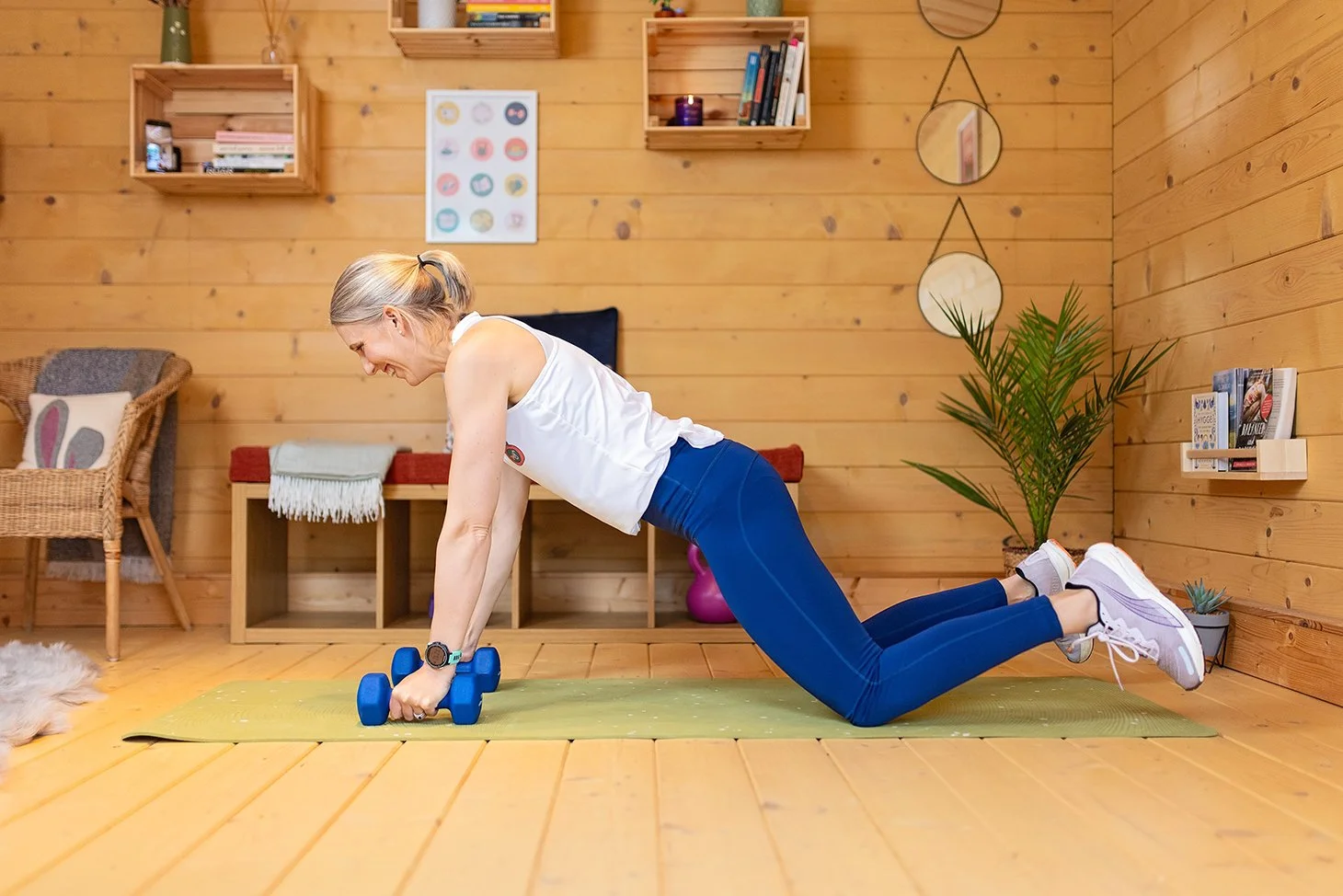
Focus on low-impact exercises for new mums, like bodyweight squats, gentle core activations, and modified yoga or Pilates.
Avoid anything high-intensity. Keep the impact low and the movements mindful.
If you had a c-section recovery, take extra time and seek advice from a women’s health physiotherapist before progressing.
Early Weeks Reminder: Be Kind to Yourself
You’ll have good days and tough days, and that’s totally normal. Newborn life is intense, and sleep deprivation can affect everything—including your motivation to move.
Some days, sleep is more important than squats. Listen to your body.
Let go of the pressure to "snap back" and focus on what helps you feel better—mentally and physically.
From 12 Weeks Postpartum: Gently Build Strength and Stamina
If you’ve been feeling strong with gentle movement, now is the time to increase your postpartum workout intensity gradually.
You can begin to explore returning to running after pregnancy or adding light weights to your routine.
Take your time and progress slowly. Watch for any signs of discomfort, especially in your pelvic floor or core.
Experiencing leaking, doming, or pain? That’s your cue to modify or consult a postnatal fitness expert.
Thinking About Postnatal Fitness Classes?
Look for classes led by a certified pre and postnatal trainer. They’ll understand how to modify exercises safely for your stage of recovery.
If available, book a Mummy MOT—a specialist postnatal check by a physiotherapist to assess core, pelvic floor, and posture. It’s a fantastic way to make sure you’re moving safely.
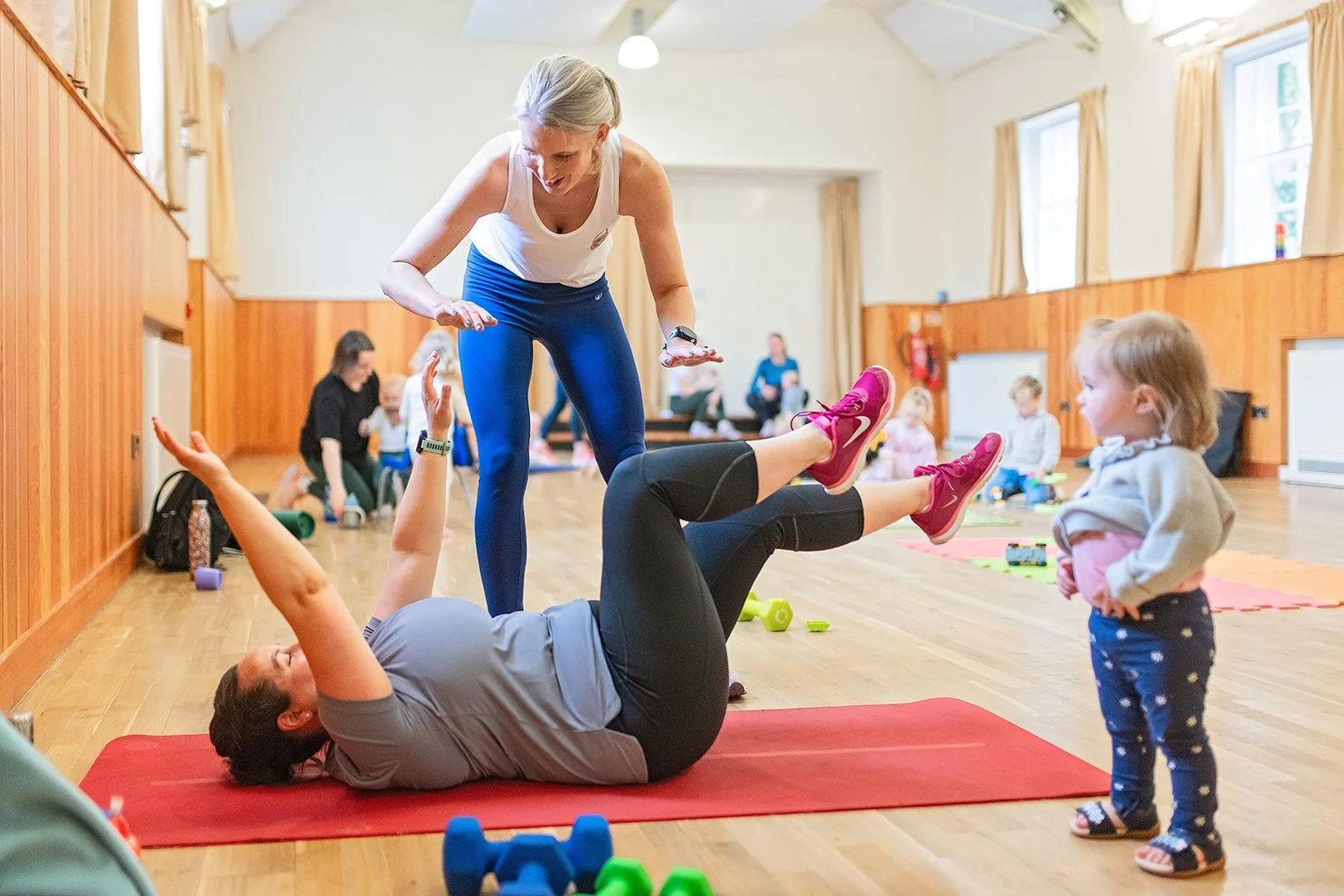
The Thriving Mum Hub offers both in person and online classes. You will find out more about each of the offerings below.
A Final Word of Encouragement for New Mums
Your strength is already incredible—don’t measure it by reps, steps, or run times. Instead, honour what your body has done and what it’s still doing every single day.
Healing after childbirth takes time. Progress isn’t linear. And you’re doing brilliantly just by showing up for yourself, one gentle step at a time.
You’ve got this.
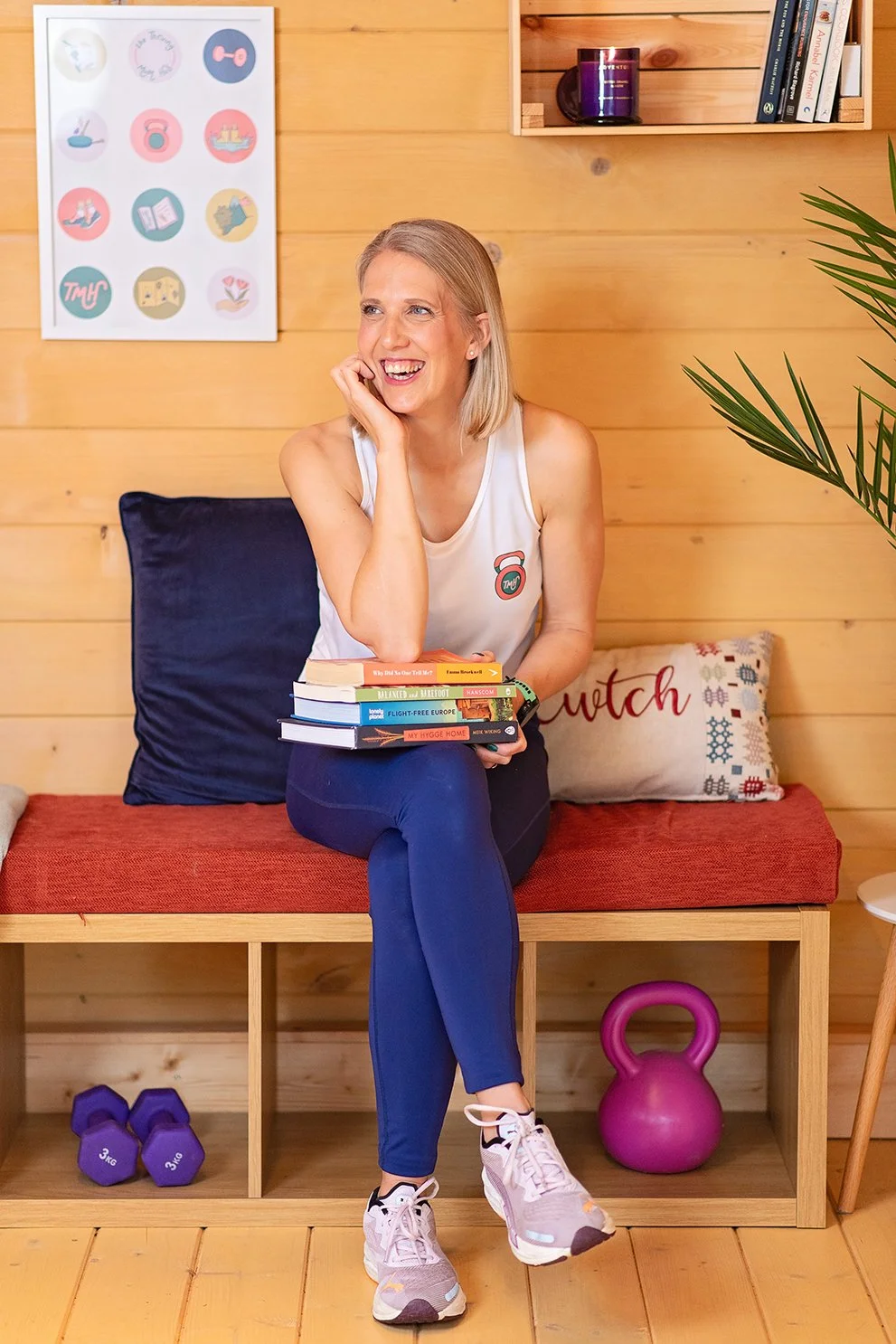
The Thriving Mum Hub aims to support you to thrive through motherhood, one small step at time.
It provides you with effective tools to make everyday life easier and more enjoyable. Through quick at-home workouts, weekly play prompts for your little ones, and flexible meal plans, I help you look after your health, connect with your child, and take the stress out of family mealtimes.